


The paper you choose affects how a wedding invitation looks, feels, prints, and travels through the mail. Start with the design and printing method, then compare physical samples before deciding.
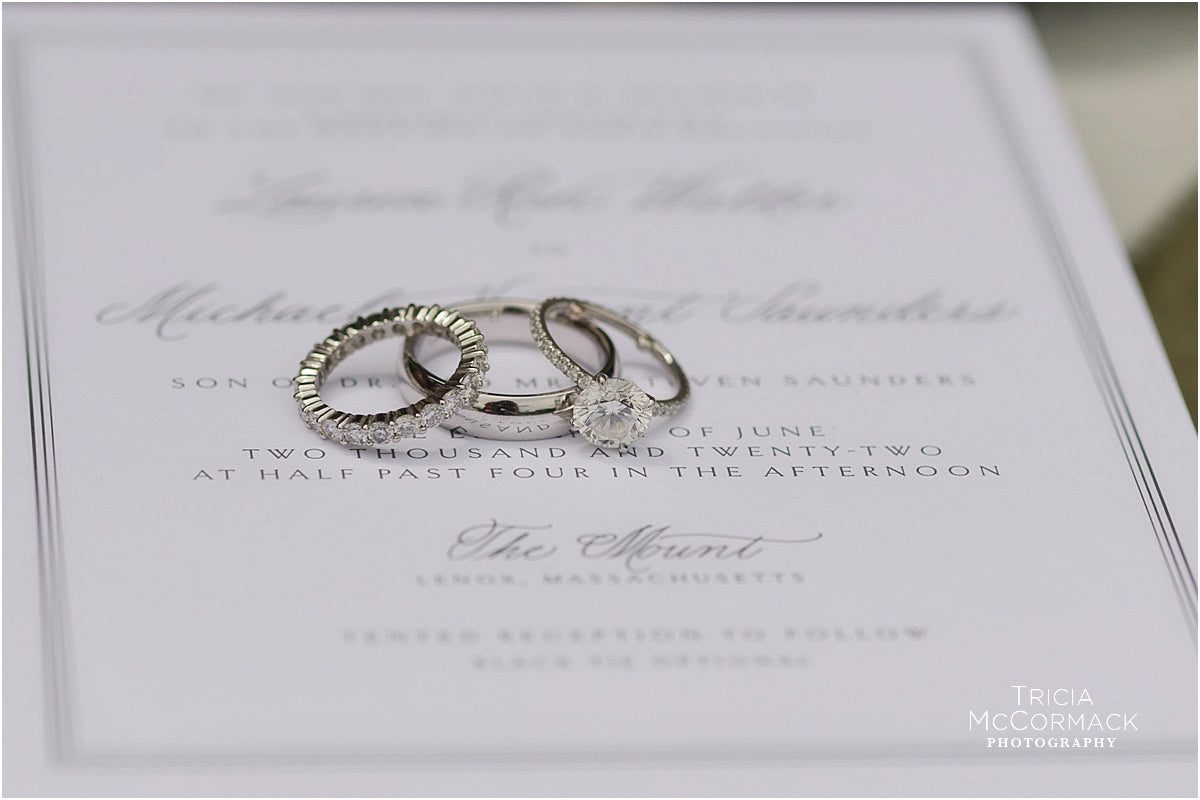
Weight and thickness are different measurements
A heavier paper often feels more substantial, but weight alone does not tell you its thickness or stiffness. Paper weight systems also differ, so compare samples from the same supplier rather than treating every pound or gsm value as directly interchangeable. Lively House uses 120-pound paper as a starting point for many designs, with the final stock chosen for the project.
Cotton paper and letterpress
Cotton paper has a soft feel that can suit letterpress beautifully. Its compressibility helps receive an impression; a visible surface texture is not what creates the depth. Paper thickness, artwork, and press setup all affect the result. Request a printed sample when impression depth matters to you.
Smooth and textured stocks
Smooth paper gives crisp typography and a clean contemporary finish. Felt or linen textures add a tactile layer, but they can change the appearance of fine lines and large ink areas. Match the stock to the artwork instead of assuming every textured paper works equally well with every print process.
Pearlescent and metallic finishes
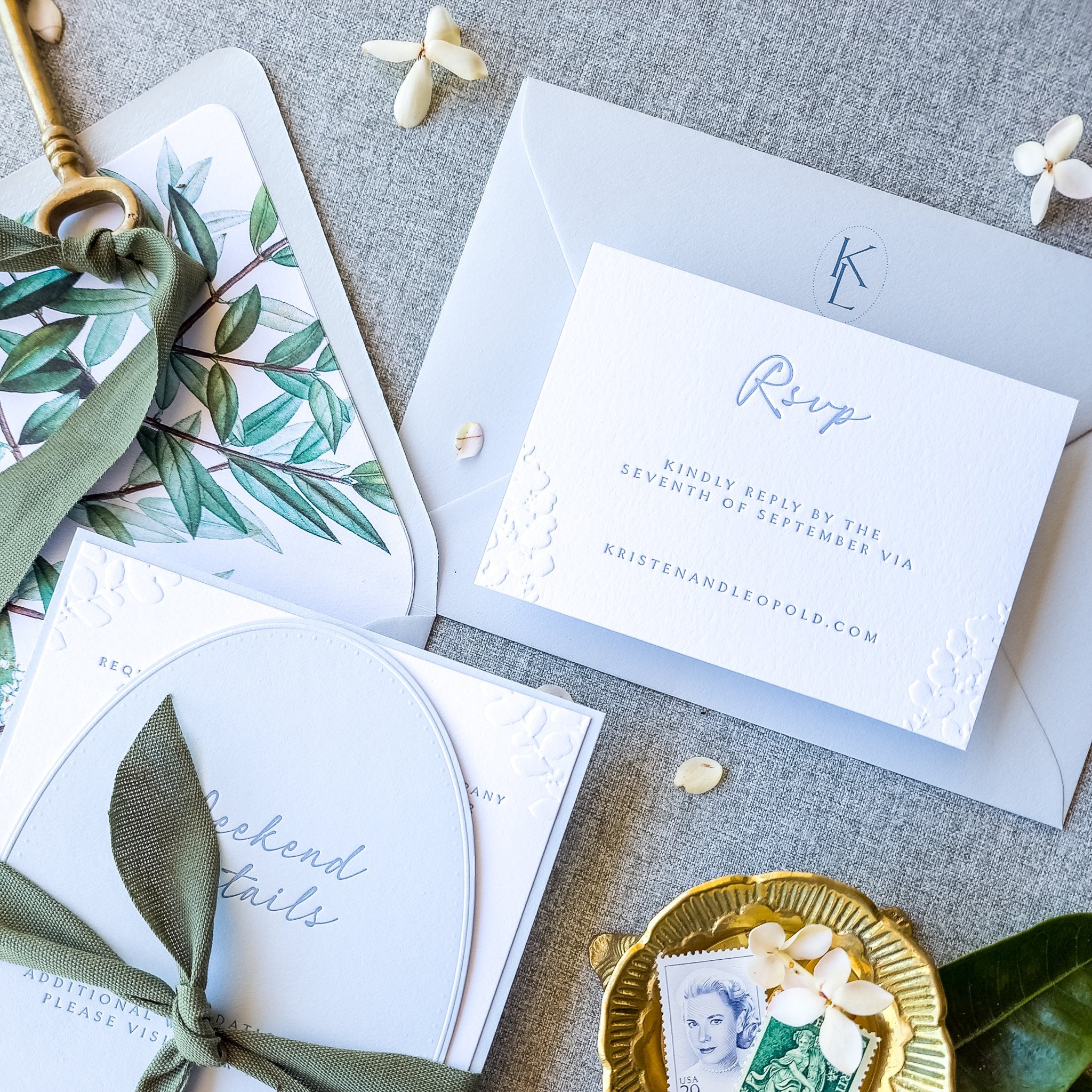
Shimmering papers can bring a subtle glow or a more dramatic metallic effect. They also influence the contrast of printed text. Check the exact combination of paper and ink in good light, especially for small wording and details cards.
Colored paper and readable ink
Ink behaves differently on dark or saturated stocks. Commercial color printing uses CMYK, and a screen preview cannot reproduce every paper-and-ink combination. Discuss opaque ink, foil, or another suitable process when you want light lettering on a dark background.
Choose for the whole suite
An invitation can feel substantial while the inserts remain lighter and practical. Consider foldability, wraps, envelopes, assembly, and mailing weight together. Our printing methods guide explains how paper and production choices work together.
Explore your stationery options with Lively House.
